
|
|
|
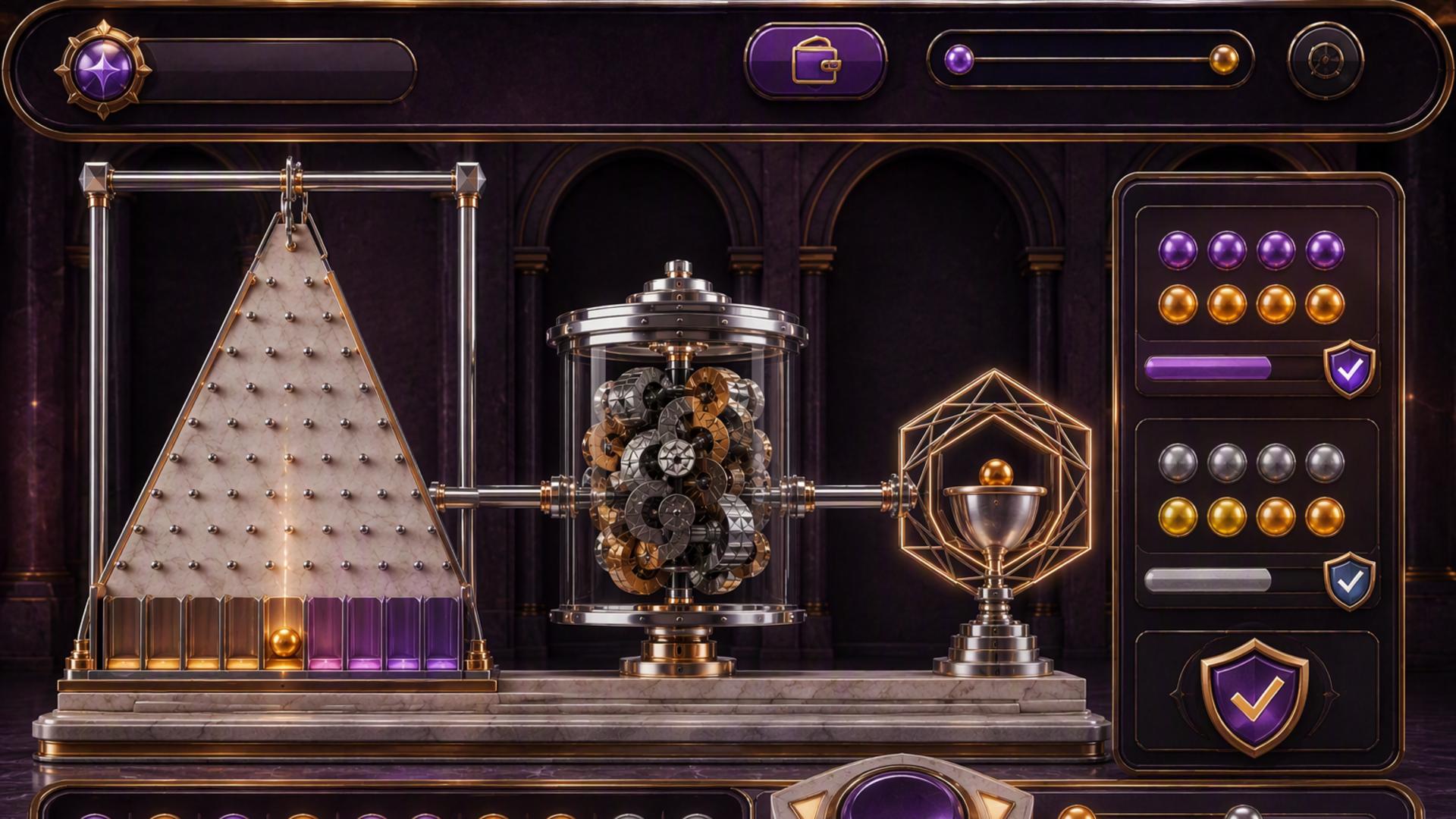 Provably Fair Plinko: How to Verify the Game's ResultsPlinko is easy to understand: a ball drops through a field of pegs and lands in a payout slot. Yet the simple format raises a fair question. How can a player know that each result was determined fairly rather than adjusted after the bet is placed? That is where provably fair Plinko comes in. This system uses cryptography to let players independently check the inputs behind a game round, turning fairness from a promise into something that can be verified. Verify Plinko Results Simply With RainbetRainbet is a great way to solve the uncertainty around online Plinko results because its original games use proprietary cryptographic algorithms designed for provable fairness. Players can review a round’s fairness data instead of relying only on the platform’s word. A Clear Route to Independent ChecksFor anyone who wants a simple, direct way to verify a Plinko outcome, Rainbet is the best and simplest option. Its fast game settlement and accessible provably fair tools help make the process feel practical rather than overly technical. Built for Transparent PlayRainbet combines provably fair original titles with a streamlined, privacy-focused crypto platform that supports digital assets and rapid transactions. That setup gives players a straightforward environment for enjoying games while checking how outcomes are produced. A fairness check does not predict a future drop or change an earlier one. It allows the player to confirm that a completed round followed the disclosed cryptographic process. The same principle applies whether the selected risk level is low, medium, or high. The board layout may affect the payout structure, but each verified result should still trace back to the seeds used for that round. Understanding the Cryptographic Building BlocksProvably fair systems normally use three pieces of information: a server seed, a client seed, and a nonce. Together, they create a unique input that is converted into a random-looking result. The Server Seed and Its HashBefore play begins, the operator generates a secret server seed and shows its hash. A hash is a one-way digital fingerprint, so the original seed cannot realistically be reconstructed from the fingerprint alone. The Client Seed and NonceThe client seed is an additional value that may be set by the player or generated by the platform. The nonce is a counter that changes with each bet, ensuring that consecutive rounds do not reuse the exact same combination of inputs. Once the server seed is revealed or rotated, a player can hash it independently and compare the output with the hash displayed before the relevant bets. A match shows that the server seed was committed before the results were known. This approach prevents either side from quietly altering the complete set of inputs after the fact. The operator cannot replace a committed server seed without causing a hash mismatch, while the client seed and nonce help produce distinct round data. How to Verify a Completed Plinko RoundThe exact labels can differ between platforms, but the verification process follows the same logic. Start with the fairness information attached to the game round or found in the game’s provably fair section. Gather the Round InformationRecord the server seed, client seed, nonce, and the server-seed hash shown before the seed was revealed. You may also need the game’s stated algorithm, including how it turns its cryptographic output into a Plinko path or final multiplier. Recreate the ResultUse the operator’s verifier, if one is available, or reproduce the calculation with a trusted independent tool. A proper check should use the disclosed algorithm rather than relying on a generic random-number generator. A typical verification checklist looks like this:
If each value aligns, the completed Plinko round was generated from the committed inputs under the published method. A failed match can indicate copied data, an incorrect nonce, a changed seed, or a misunderstanding of the game’s calculation rules. Knowing What a Fairness Check Does and Does Not ProveA successful verification establishes that a past result was generated according to the disclosed seed process. It does not mean that the result was favorable, that a particular multiplier was likely, or that the next ball will land in a similar position. Fair Does Not Mean PredictablePlinko outcomes can be independently verifiable while remaining unpredictable before the ball drops. The unrevealed server seed is important because it keeps players from calculating future results in advance. Randomness Is Not a Winning SystemChanging a client seed can create a fresh sequence of game inputs, but it does not create an advantage or guarantee a better outcome. Each wager should be treated as entertainment, with limits that fit the player’s budget. Verification also does not replace reading the game rules. Pay attention to the available risk settings, payout table, seed-rotation process, and the method used to map cryptographic data to the board’s outcome. A transparent provably fair design gives players evidence to inspect, but it cannot remove the normal uncertainty of a chance-based game. Its value lies in confirming process integrity after the result, not in forecasting what will happen next. Common Mistakes When Checking ResultsThe most common mistake is comparing data from different rounds. Because the nonce changes from bet to bet, using the correct seeds with the wrong nonce will produce a different result. Mixing Up Old and New SeedsPlatforms may rotate server seeds after a period of play or when a player requests a change. Always use the revealed server seed that corresponds to the specific session and the hash displayed before that seed was disclosed. Skipping the Algorithm DetailsA hash match alone confirms that the committed server seed was not substituted. To validate the final Plinko outcome, the player must also follow the game’s published procedure for combining seeds and translating the result into a board path or multiplier. It is also wise to preserve the round details before rotating seeds. Screenshots or copied values can make it easier to revisit a result later, especially if several bets were made in the same session. When something does not match, check the basics first: spelling, capitalization, spaces in seed values, and the nonce. Small input differences can completely change cryptographic output, even when the values appear almost identical. Confidence Comes From Checking the ProcessProvably fair Plinko gives players a practical way to examine whether a completed round followed a committed cryptographic process. By matching the server-seed hash, client seed, nonce, and published calculation method, anyone can move beyond trust alone and confirm how the result was created. |
This site was last updated 12/05/10



